Table of Contents
- Introduction: why xrp vs ada matters
- Origins and teams
- Technology and consensus mechanisms
- Use cases and target markets
- Tokenomics and supply
- Performance and scalability
- Regulatory and legal considerations
- Developer ecosystem and dApps
- Investment considerations and risks
- Comparative summary and decision checklist
Introduction: why xrp vs ada matters
Looking for a fast and simple crypto option? You can buy litecoin instantly on a secure platform with transparent fees, quick processing, and a smooth experience for all users.
The crypto market is crowded, but two projects often compared for strategic differences are Ripple's XRP and Cardano's ADA. Both have strong communities, active development, and distinct visions: XRP is positioned as a fast, low-cost bridge currency for cross-border payments, while Cardano focuses on a research-driven approach to scalable smart contracts and long-term decentralised governance. Evaluating xrp vs ada is more than a feature check — it’s about matching use cases, regulatory realities, and technical trade-offs to your goals as an investor, developer, or enterprise adopter.
Origins and teams
Understanding a project's origin explains priorities and culture. XRP traces back to Ripple Labs (originally OpenCoin) with a mission to improve cross-border payment rails. Ripple's team is industry-facing, working with banks and payment providers. Cardano, created by Input Output Global (IOG) and led by Charles Hoskinson, emerged from academic research and formal methods; its roadmap emphasizes peer-reviewed protocols and a staged rollout of features. The leadership styles differ: Ripple is commercially driven and partnership-focused, while Cardano leans on formal verification and community governance.
Technology and consensus mechanisms
XRP runs on the XRP Ledger (XRPL), which uses a consensus algorithm based on Unique Node Lists (UNL). Validation is rapid, finality is near-instant, and transaction fees are tiny. Cardano uses Ouroboros, a proof-of-stake (PoS) protocol designed with academic rigor; it delegates stake to stake pools, providing energy-efficient security and formal guarantees about chain selection. In practice, XRPL prioritizes throughput and immediate settlement for payments; Cardano prioritizes provable security, upgradeability, and a modular architecture for smart contract capability.
Use cases and target markets
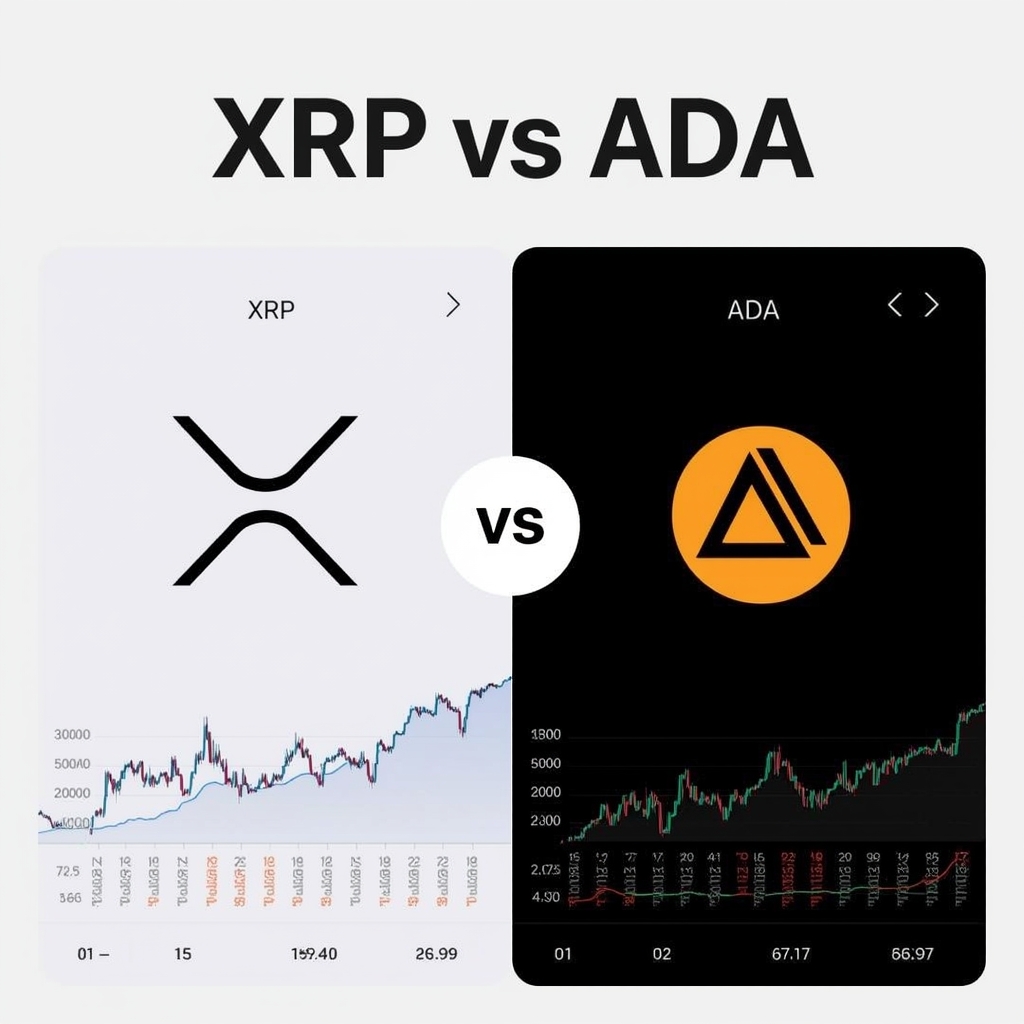
When comparing xrp vs ada, use-case divergence is clear. XRP targets financial institutions and remittance corridors, functioning as a bridge asset that can minimize liquidity costs and speed up settlement. ADA targets a broader decentralised application (dApp) ecosystem: DeFi, identity, supply chain, and tokenization. Cardano’s roadmap aims to support complex smart contracts and governance mechanisms, while XRPL focuses on payments, token issuance, and fast settlement for fiat-to-fiat corridors.
Tokenomics and supply
Token economics shape utility and scarcity. XRP has a total supply of 100 billion tokens, of which a large portion was initially held by Ripple and released over time; some are escrowed, but distribution and supply inflation remain points of debate for investors. ADA's supply model is more gradual: it started with a fixed maximum supply of 45 billion ADA and uses staking rewards to incentivize network participation without heavy inflation. Comparing xrp vs ada on tokenomics: XRP leans toward utility in settlement with a historically concentrated supply, ADA leans toward decentralised staking-driven distribution.
| Metric | XRP | ADA |
|---|---|---|
| Max supply | 100,000,000,000 | 45,000,000,000 |
| Consensus | XRPL Consensus (UNL) | Ouroboros PoS |
| Main use | Payments & settlement | Smart contracts & dApps |
| Primary org | Ripple | IOG (Cardano) |
Performance and scalability
Performance claims often sway adoption. XRP Ledger can handle thousands of transactions per second with sub-second settlement and consistently low fees — attributes attractive to payment rails. Cardano’s base layer historically focused on security and decentralization; throughput has improved with upgrades (e.g., Hydra layered scaling proposals) and the Alonzo hard fork enabled smart contracts, but real-world dApp throughput still hinges on layer-2 scaling solutions and further optimization. In short: XRPL offers immediate, proven payment throughput; Cardano offers a longer-term path to scalable smart contract platforms with a layered approach.
Regulatory and legal considerations
Regulation is a central differentiator in the xrp vs ada debate. Ripple faced a high-profile SEC lawsuit alleging XRP was an unregistered security; while court rulings have had nuanced outcomes, the legal episode highlights regulatory risk for projects tied to centralized organizations. Cardano has largely avoided that spotlight by positioning ADA as a utility token within a decentralized ecosystem and emphasizing research-first development, though regulatory scrutiny can reach any major crypto project. Investors should weigh legal precedent, organizational centralization, and compliance track record when comparing these tokens.
Developer ecosystem and dApps
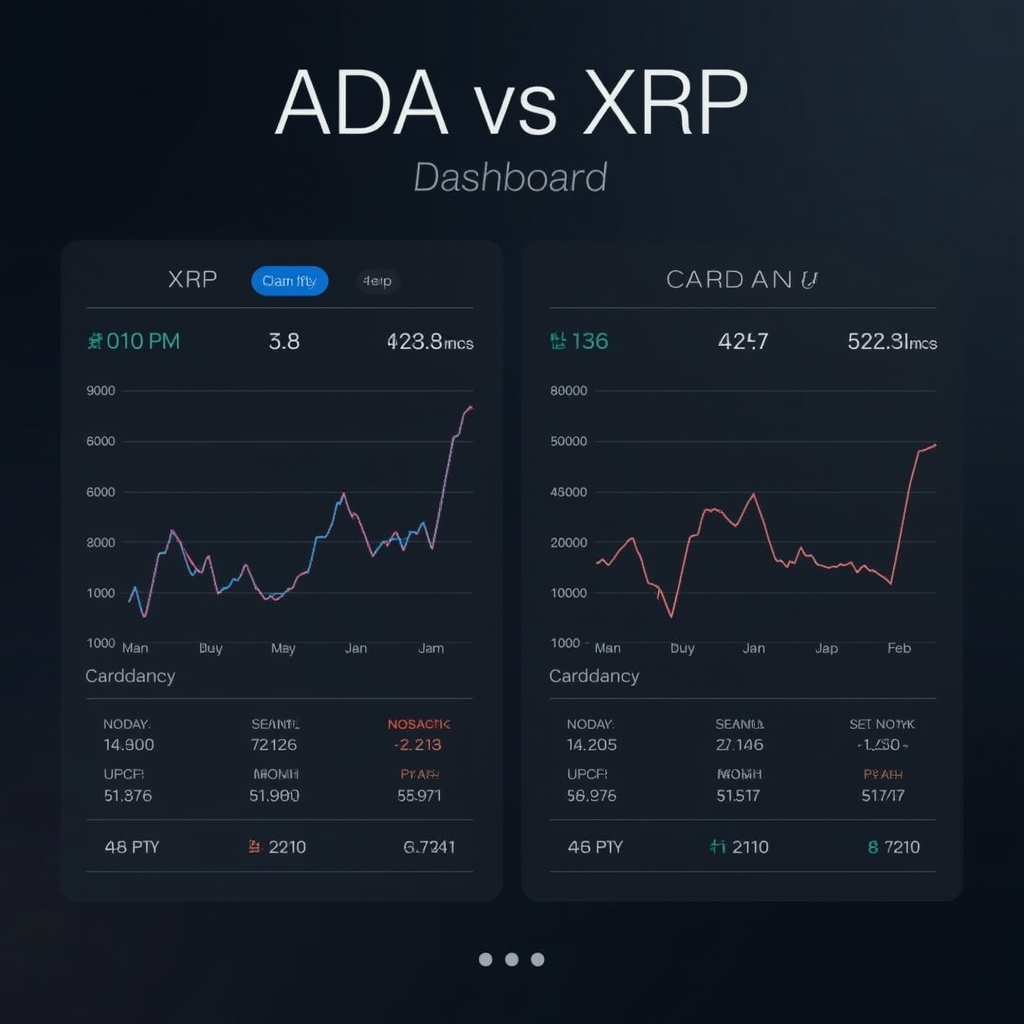
Developer momentum often determines long-term ecosystem value. Cardano's strategy is to attract developers with formal tools, Plutus smart contracts (Haskell-based), and a focus on correctness and security. This attracts teams prioritizing formal verification and strong guarantees. XRPL has a more payment-centric toolkit: token issuance (IOUs), hooks (programmable logic), and cross-border payment libraries. While XRPL supports tokens and some programmability, Cardano's richer smart contract environment currently offers broader dApp potential. That said, developer adoption depends on tooling, community support, and on-chain activity, not just tech specs.
Investment considerations and risks
Deciding between xrp vs ada for a portfolio depends on risk profile and thesis. Consider these factors:
- Use-case bet: payments/partnerships (XRP) vs programmable smart contracts and long-term research (ADA).
- Regulatory exposure: Ripple's legal history raises event risk vs Cardano's comparatively cleaner regulatory record.
- Token distribution: concentration of supply (XRP) vs staking-driven distribution and incentives (ADA).
- Network maturity: XRPL's payment performance vs Cardano's evolving dApp ecosystem and future scaling plans.
Risk management suggestions: diversify exposure, set position sizes based on conviction, monitor regulatory updates, and review project governance and upgrade mechanisms.
Comparative summary and decision checklist
Below is a concise comparison to help you decide when choosing between xrp vs ada. Use the checklist to align the project to your goals — whether you’re building a payment product, launching a dApp, or allocating capital.
| Question | If yes — lean | If no — lean |
|---|---|---|
| Do you need instant settlement for fiat transfers? | XRP | ADA |
| Is formal verification and research-driven development important? | ADA | XRP |
| Are you concerned about regulatory/legal headline risk? | ADA | XRP (with caution) |
| Do you need a broad smart contract platform for dApps? | ADA | XRP (limited) |
Decision checklist (numbered):
- Define your primary goal: payments, dApps, or speculative holding.
- Assess regulatory exposure and organizational centralization.
- Compare tokenomics and long-term supply expectations.
- Review developer tooling and real-world partnerships or integrations.
- Allocate capital according to risk tolerance and diversification strategy.
Ultimately, xrp vs ada isn't a binary "better or worse" choice — it's a question of fit. XRP excels at rapid, low-cost settlement and has commercial relationships that support that niche. ADA builds toward a secure, scalable smart contract platform with a methodical, research-first approach. Both have merits and risks; your decision should follow a clear use-case and risk assessment rather than hype or price action alone.